An introduction to the “B’s”
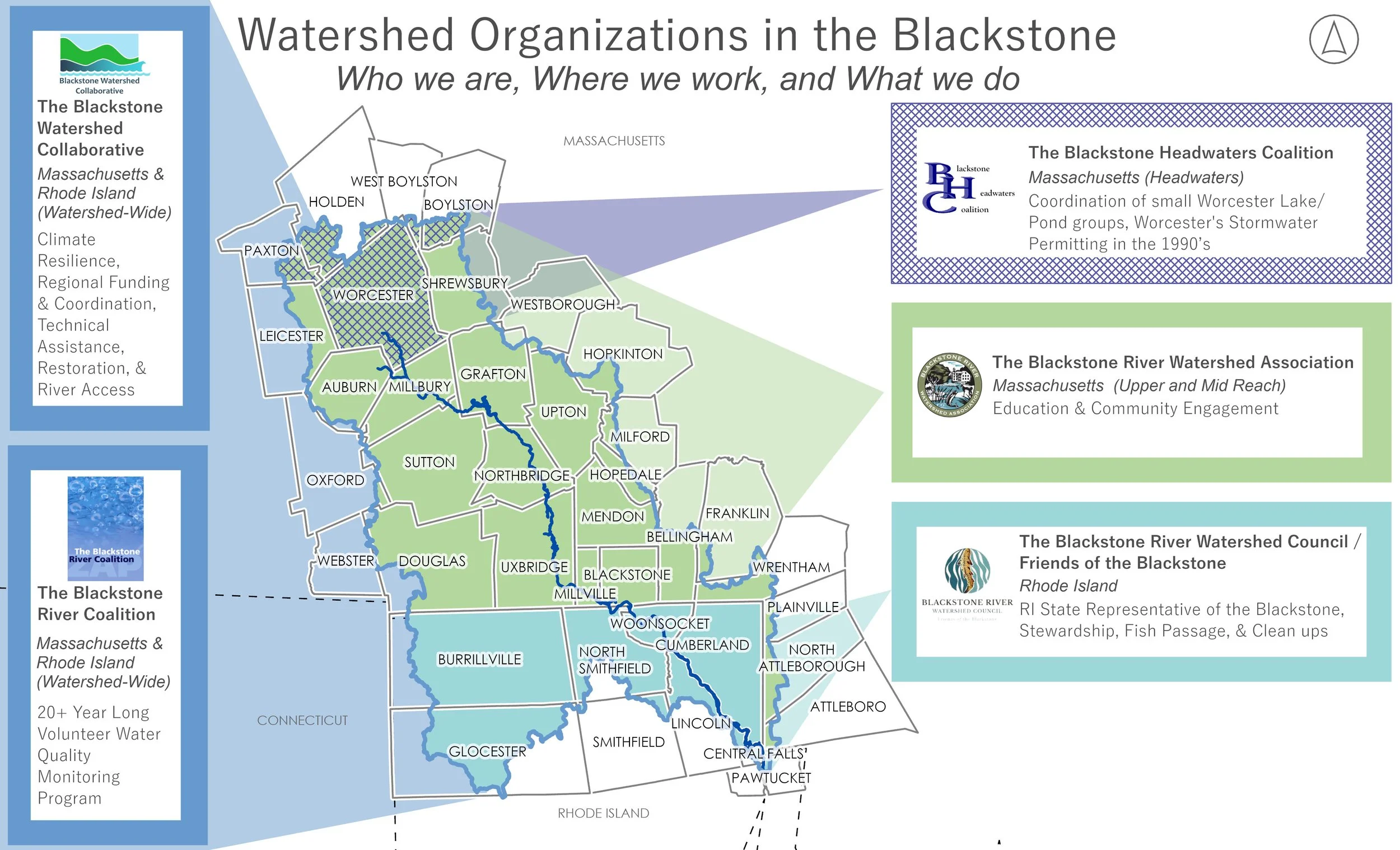
Blackstone Watershed groups - who they are, what they do, and how we’re all different.
Plus: our federal and federal-adjacent partners.
Watershed groups
Blackstone Watershed Collaborative (Collab)
Website: blackstonecollaborative.org
Established: 2021
Service Area: Full Blackstone Watershed (MA/RI)
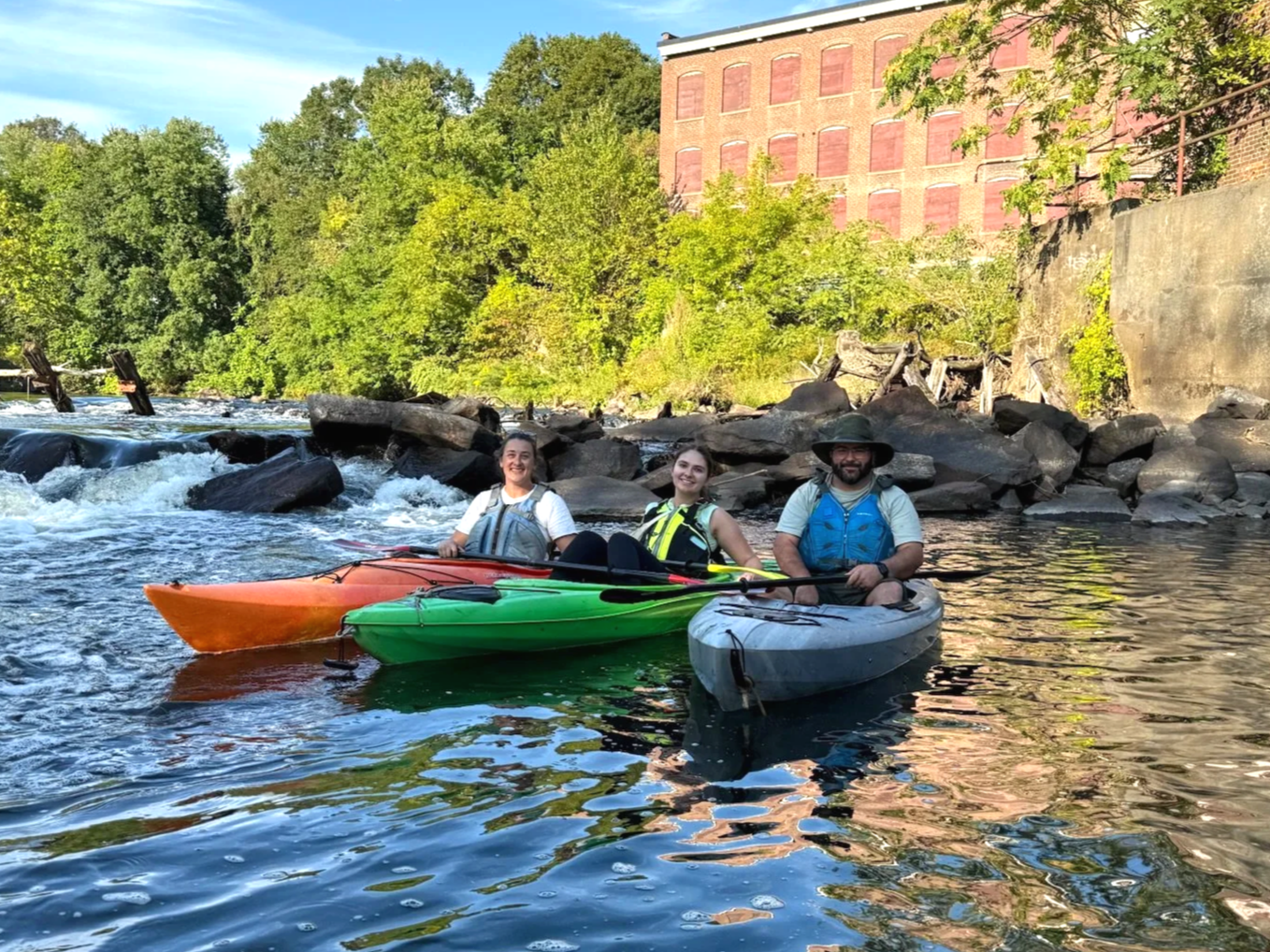
Best known for: Serving as the umbrella organization to bring together different partners around restoration and access through monthly public meetings and annual events such as the fish parade in May and source-to-sea paddle each September.
Role: Our three full time staff provide coordination between entities through monthly public meetings, assist with project prioritization, offer technical assistance, act as fiscal sponsors and offer pass-through funds to other organizations, host public events, and manage contracts for large projects such as dam removals and hydrologic studies.
Contact: Stefanie Covino, Executive Director
Reach out about… if you’re not sure where to start - contact us! We’re happy to answer your question or put you in touch with the right group, whether it’s about floodplains, public access, water quality, climate resilience, culvert improvements or dam removals, funding opportunities, land use regulations, combined sewer overflows, or more!
Blackstone River Coalition (BRC)
Website: blackstonerivercoalition.org
Established: 2007
Service Area: Full Blackstone Watershed (MA/RI)
Best known for: Campaign for a Fishable/Swimmable Blackstone River, stormwater education and outreach, as well 20+ years of watershed-wide volunteer water quality monitoring program and associated data.
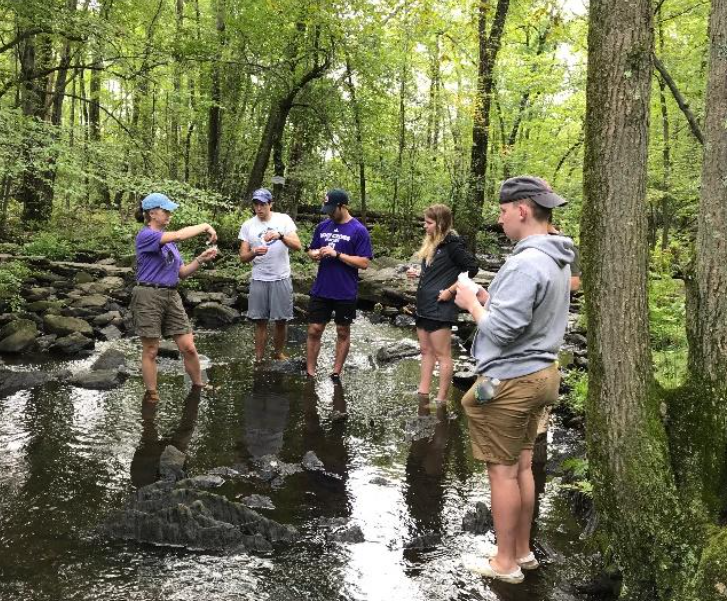
Role: BRC has developed water quality expertise and provides technical support on projects to encourage stewardship of the river and its tributaries. Their part time staff also excel at volunteer coordination, supervising more than 100 volunteers, monitoring 75 sites across the watershed. Through quarterly meetings, the BRC helps coordinate the efforts of smaller, volunteer driven non-profits across the watershed. The BRC serves as fiscal agent for the Thundermist Task Force and has successfully managed grants from state and federal agencies.
Contact: Heather Parry, Water Quality Monitoring Program Coordinator
Reach out about… becoming a volunteer water quality monitor, if you need technical expertise in water quality/stormwater/land use. Check out our clickable map to learn what the water quality is like where you live, work, or play in the region.
Blackstone Headwaters Coalition
Website: N/A
Established: 2001
Service Area: Blackstone Headwaters (MA: Worcester, and abutting towns; upstream of confluence at Fisherville in Grafton)
Best known for: Serving as the coordinating entity for smaller Worcester Lake and Pond groups. Established to encourage a strong stormwater permit for Worcester in the 1990’s, the BHC has advocated for permit upgrades and more funding for maintenance and needed infrastructure.
Role: The BHC has obtained funding for demonstration rain gardens as well as education and outreach to schools and local groups. The BHC supports the citizen monitoring program for all sites north of Fisherville in Grafton. The BHC has hosted several interns from the local colleges and has conducted appeals and legal battles to fight for clean water in the headwaters.
Contact: Peter Coffin
Reach out about… Sediment and Erosion and the role of phosphorous in the health of our streams and ponds.
Blackstone River Watershed Association (BRWA)
Website: thebrwa.org
Established: 1969
Service Area: Primarily in upper-mid watershed of MA
Best known for: Delivering quality watershed education, including the “Watershed and Us” and “Bugs of the Blackstone” programs as well as hosting their annual Family Fun Fishing Day each summer with OpenSky.
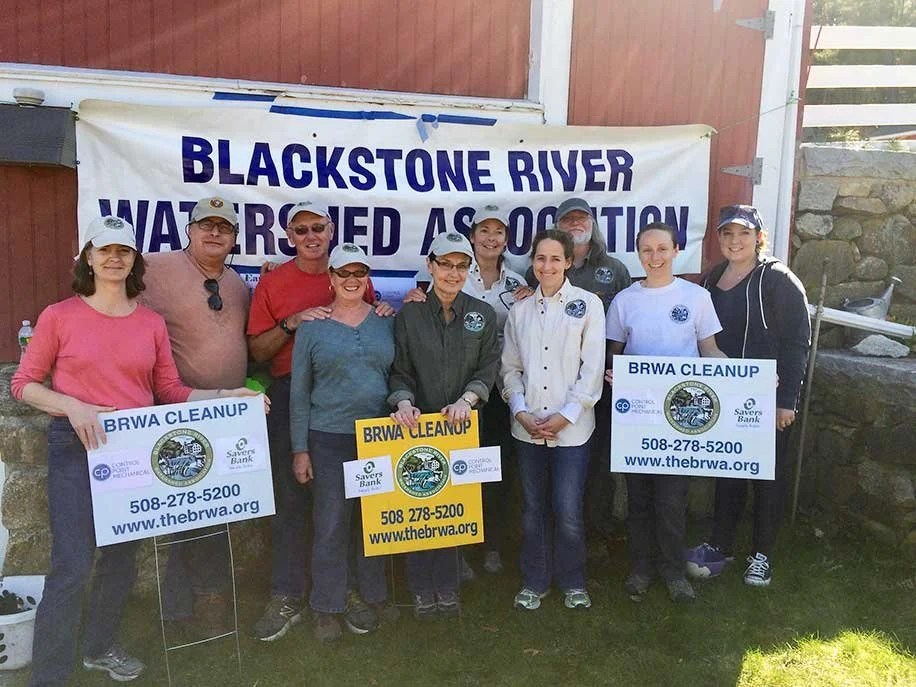
Role: BRWA’s all-volunteer staff has led numerous projects over its long tenure, including assisting with water quality monitoring, creating new access points along the river, mapping and managing invasive vegetation along the Worcester to Millbury Bikeway, hosting clean ups, advocating for CSO reductions, and more... They serve as the go-to group for youth education programming and fishing events in MA.
Contact: Peter Coffin, President
Reach out about… Interest in volunteering with the Watershed Association.
Blackstone River Watershed Council/Friends of the Blackstone (BRWC/FOB)
Website: blackstoneriver.org
Established: 1990 (FOB was founded in 1990; BRWC was founded in 1997. In 2006, they combined into one organization)
Service Area: RI-portion of the watershed
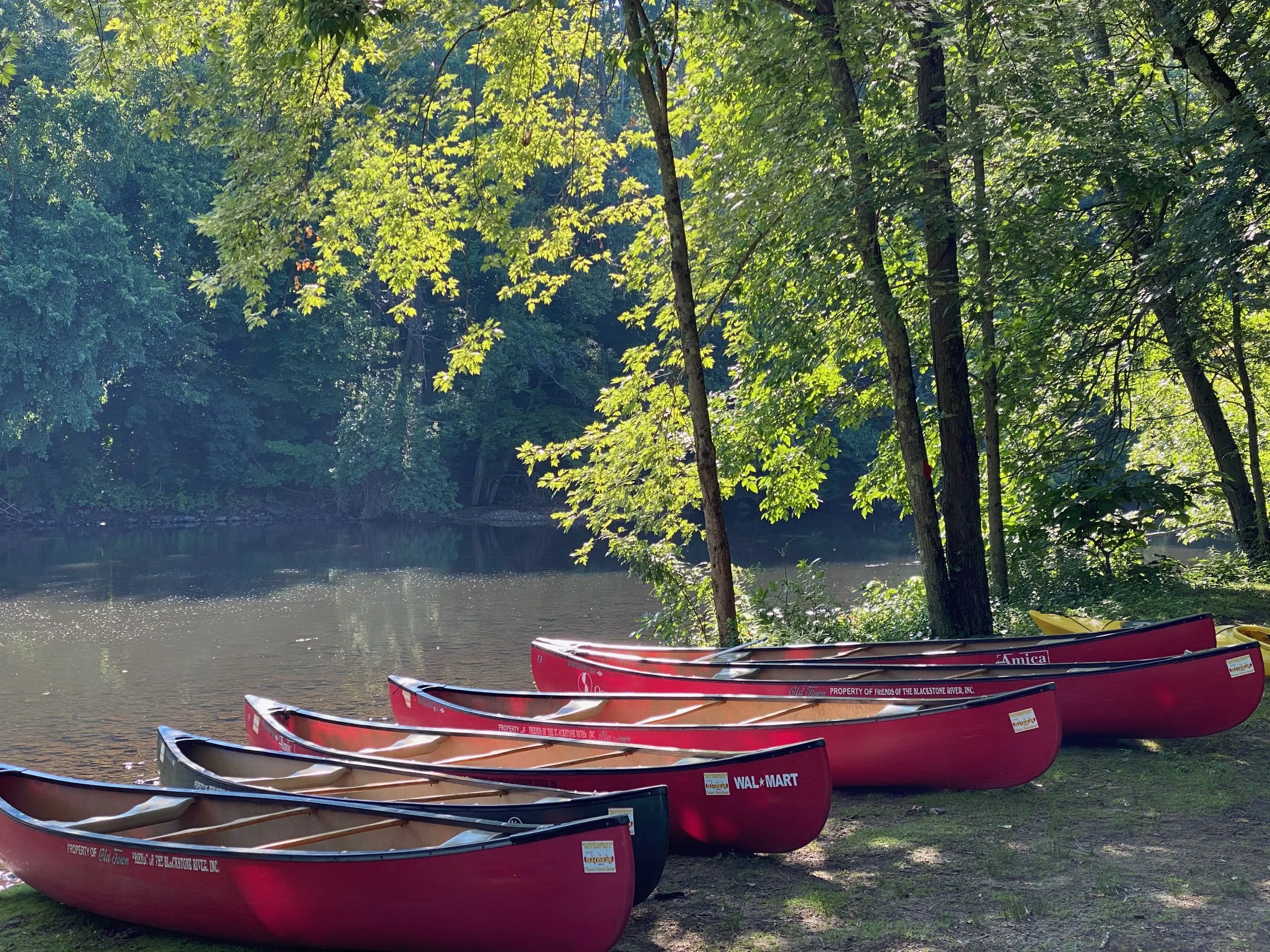
Best known for: Sometimes called the “Valley Boys,” BRWC/FOB are leaders in stewardship and river access and manage an environmental center on 13 acres of land along the river in Lincoln called Sycamore Landing where they host programs such as “Connecting with Canoes.” BRWC/FOB are officially designated under RI state law to represent the environmental interests of the Blackstone River and its watershed - from pollinator protection to fish passage, bikeway maintenance to invasive plant pulls.
Role: This all-volunteer organization has organized hundreds of clean ups to remove thousands of tires and other trash from the river, invited hundreds of first-time paddlers to the river through accessible and inclusive programming, and installed dozens of new access points along the river. Few advocates know the intricacies of the river and its watershed better than this group or have as deep connections to local indigenous leaders. They often center indigenous knowledge at the heart of their work and co-host programming with both the Narragansett Tribe and Hassanamisco Nipmuc Band.
Contact: John Marsland, President
Reach out about… Most anything about the Blackstone in RI, such as canoe or kayak programs, water quality monitoring, fishing events, clean ups, mishoon burns, or stewarding access points.
Other regional Blackstone partners

Blackstone Heritage Corridor (BHC)
Website: blackstoneheritagecorridor.org
Established: 1986
Service Area: While the Blackstone River Valley National Heritage Corridor mostly overlaps with the bi-state Blackstone watershed, it has slightly different boundaries
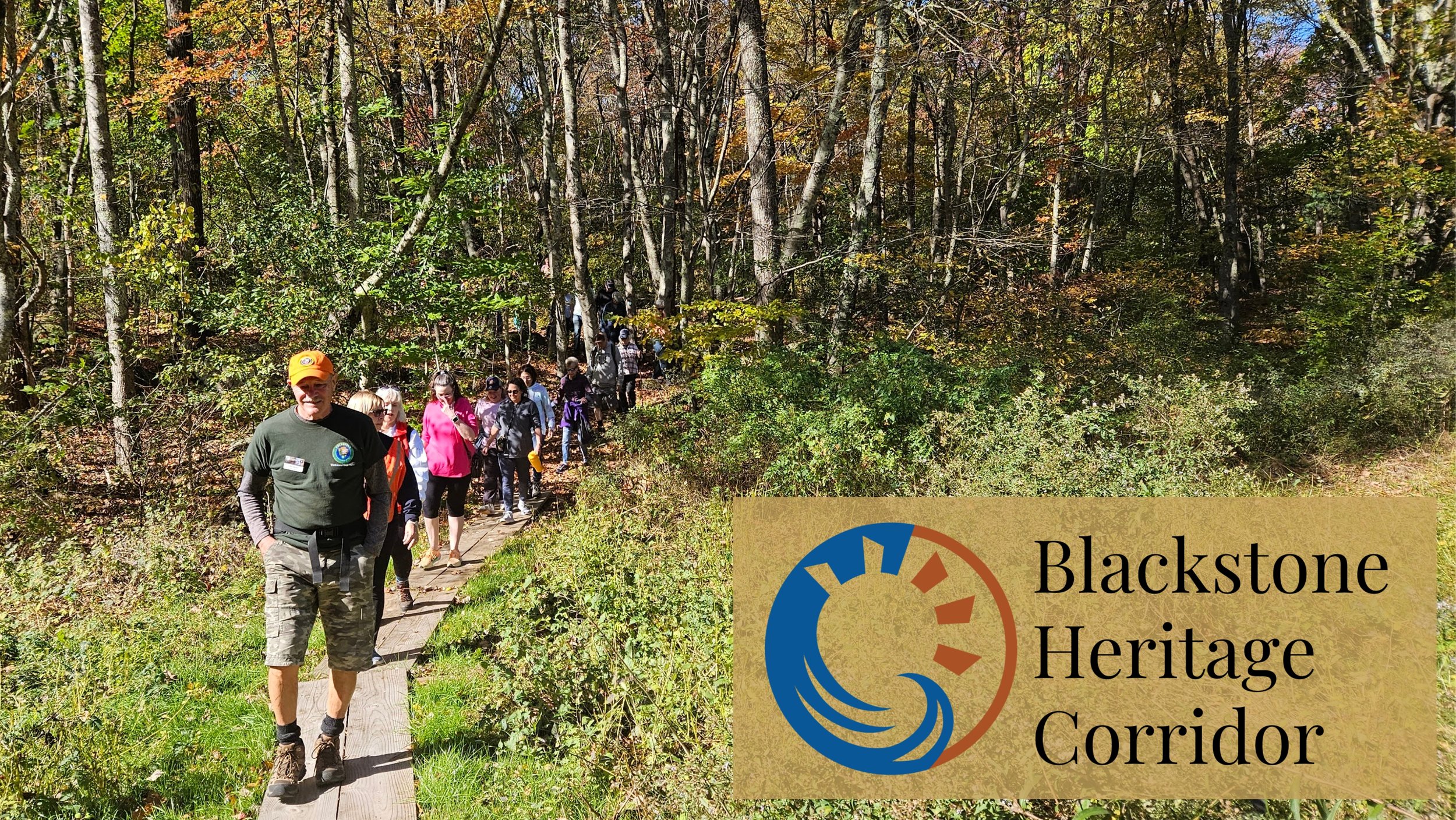
Best known for: BHC engages volunteers to lead a wide range of public programs such as historic site tours, bike rides, hikes, clean-ups/beautification projects, and other community events. From their headquarters in the historic Linwood Mill in Northbridge, MA, they coordinate a robust Volunteers-in-Parks (VIP) program, in partnership with the National Park Service. BHC is also the lead advocate for completing the Blackstone Greenway/Bikeway and hosts the annual Champions of the Blackstone award ceremony highlighting local advocates within the region.
Role: Congress recognized the national significance of the region’s history, culture, and natural resources by designating the region as the John H. Chafee Blackstone River Valley National Heritage Corridor in 1986. Originally, BHC operated as a part of the National Park Service and functioned as a federal commission until it became a nonprofit in 2010. BHC staff focus on projects and activities that complement the work of the National Park Service, state agencies, and local partner organizations. BHC's role is preserving, promoting, and celebrating the valley’s historic, natural, and recreational resources of the Blackstone River Valley. We often think of Collaborative as leading on the natural side and BHC leading the cultural and historic side of this joint effort.
Contact: Anya Wilczynski, Executive Director
Reach out about… Attending regional cultural or recreational events, volunteering your time to support regional stewardship, or how you can be engaged to support the completion of the Blackstone bikeway.
Blackstone River Valley National Historical Park
Website: nps.gov/blrv
Established: 2014
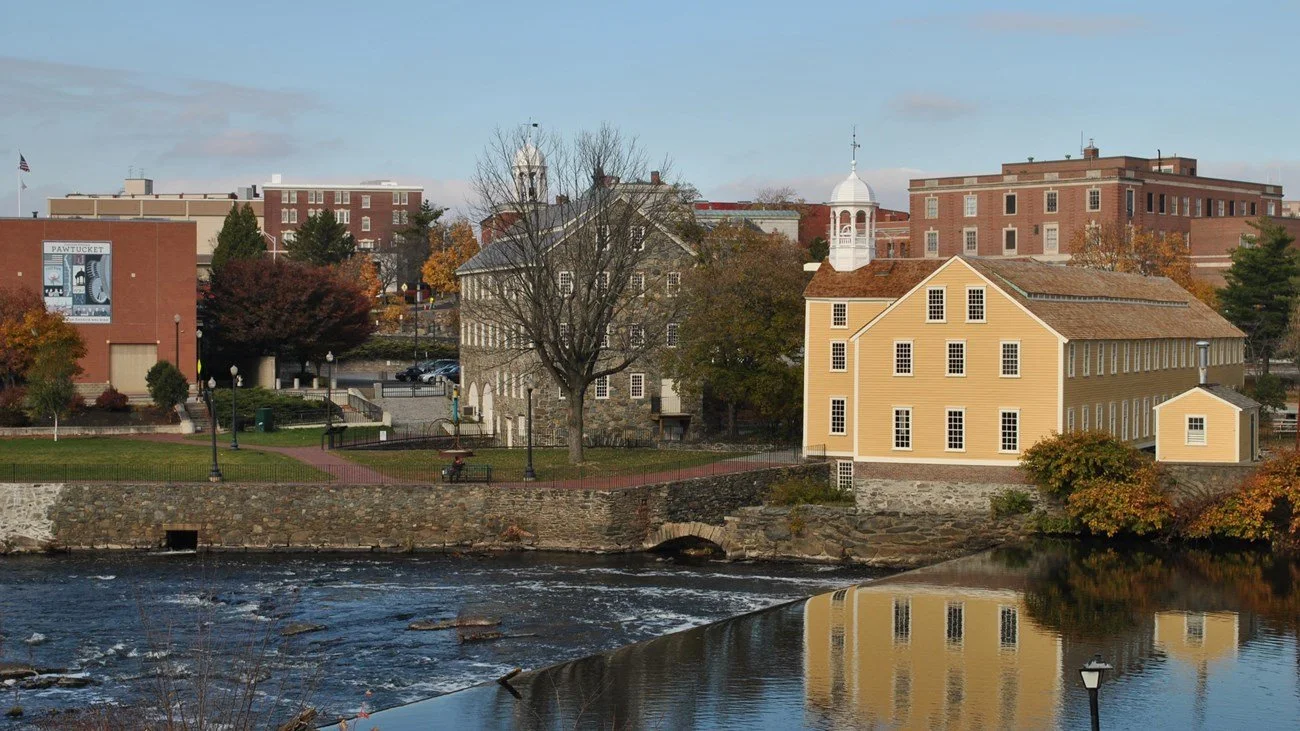
Service Area: The Park boundary is made up of six individual nodes throughout the watershed, including headquarters at Slater Mill in Pawtucket, RI.
Best known for: The Park operates a museum and visitor contact station at Slater Mill in Pawtucket, RI, which is free to the public and usually open seasonally from May through November. The grounds of the Old Slater Mill historic site remain open and free to the public year-round. Rangers lead tours for thousands of visitors each season, and staff organize numerous cultural events such as the First Strike Festival, biking tours, ranger walks, online and in-person lectures, and more. The Park has also hosted and helped lead several Collaborative events, including previous Fish Passage Parades and public paddles.
Role: As a federal entity, the park provides important connections to federal resources and decision makers, and facilitate diverse connections between groups, including the Tribal Roundtable with four regional tribes. The park is tasked with protecting and promoting the valley’s natural, cultural, historic, and recreational resources.
Contact: Kevin Klyberg - Director of Interpretation & Education
Reach out about… Participating in ranger walks, site tours and special events as well as learning about the valley’s diverse resources and history.
Blackstone Valley Tourism Council (BVTC)
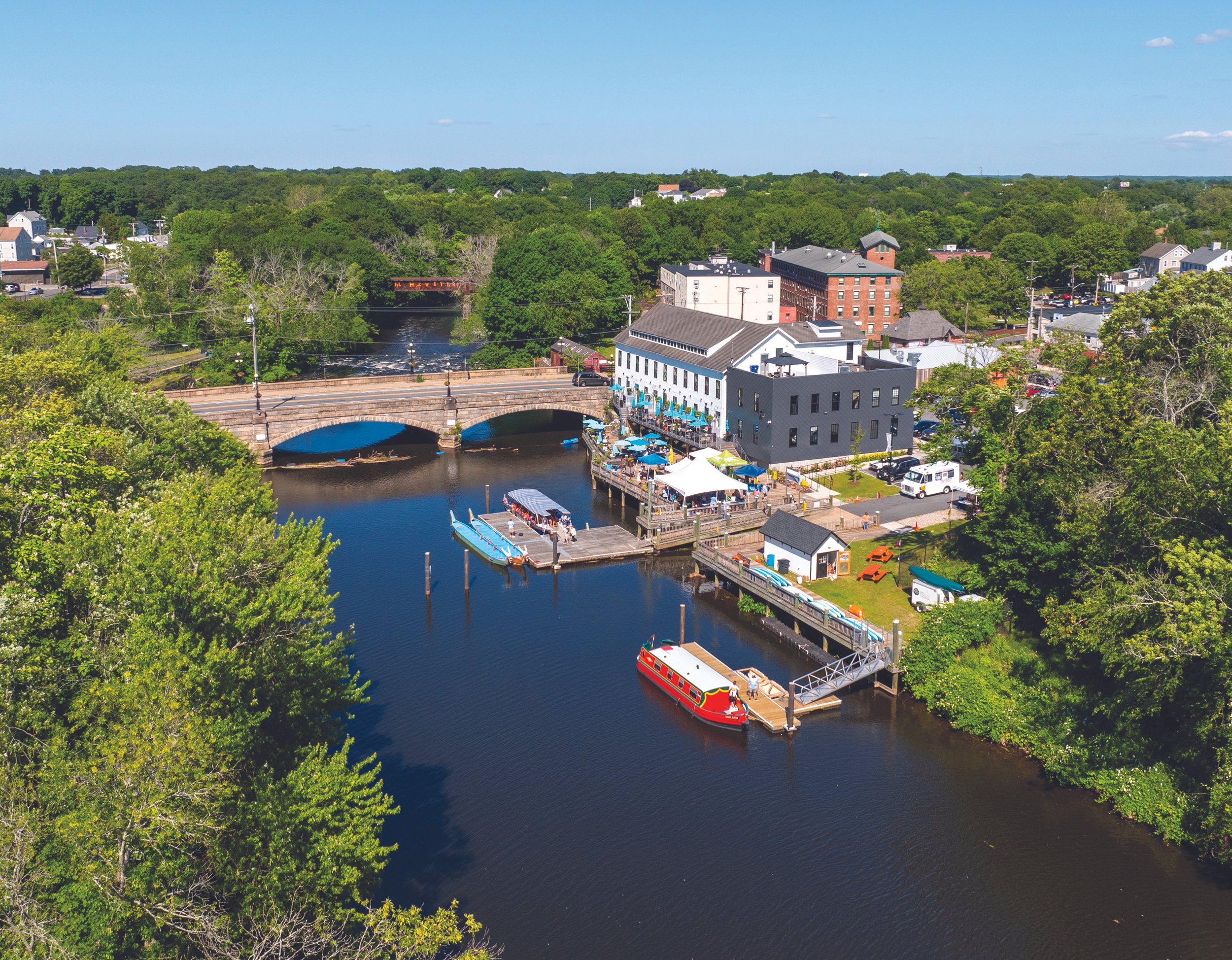
Established: 1985
Service Area: The RI portion of the watershed.
Website: bvtcri.org
Best Known For: Leading sustainable tourism while maintaining the ecological balance of the Blackstone River Valley, protecting the environment through education on the river and in the BVTC RiverClassroom, increasing community pride by enhancing the social fabric of the region's communities and lifting the quality of life for the people who live and work in the Blackstone River Valley and improving the economy by promoting the region's businesses, programs and events.
Role: BVTC helps spread the word about everything the Blackstone Valley has to offer—its businesses, nonprofits, parks, and all the places that make the region special. They create marketing and tourism programs that bring people to the valley while still respecting the environment, whether that’s through events, riverboat trips, or improvements like bike paths and riverfront spaces. BVTC also works to strengthen local communities by supporting a healthy regional economy and promoting a great quality of life for people who live and work here. A big part of their mission is caring for the environment, too, which includes cleanup projects, beautification work, and education that helps people understand the importance of the river and how to enjoy it responsibly.
Contact: James Toomey, Executive Director
Reach Out About: Collaborations on heritage tourism, educational programming, river access events, development projects, and sustainable tourism initiatives throughout Blackstone Valley's 10 cities and towns in Rhode Island.